
What Renee Good's Killing Reveals About America's Future
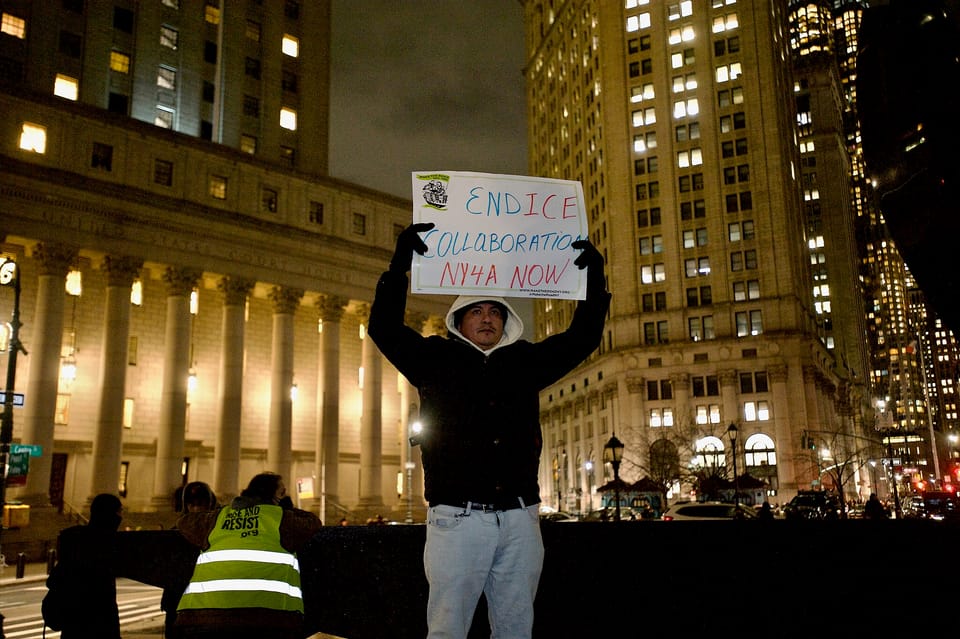
The killing of Renee Nicole Good in Minneapolis on January 7, 2026, swept me back instantly to the murder of George Floyd over five years ago.
There are obvious similarities, such as Minneapolis being ground zero for both, and citizen videos that shocked and repulsed. You also have those responsible for these deaths leaping at every opportunity to place blame squarely on the shoulders of the victims.
While it seems cliché to say, “This time is different.”
It is. Why?
Because I have no conscious recollection of a white woman being shot in cold blood by an armed Immigration and Customs Enforcement (ICE) agent or a law enforcement officer.
Is it possible that something like this has happened before?
Of course. Yet there’s nothing that I can remember. Anything similar that happened to a white woman prior to Good hasn't been captured on video.
Do you ever remember seeing anything like this?
Flip that coin over, and the list of Black women and Black men shot by the police and Federal authorities on video is long and deep. Literally, since the police started carrying guns nearly a hundred years ago, Black Americans have been turning up dead on the other end of local and State policing.
When the Sacred Cows Lose Their Protection
Our deaths are likely and common, even at the hands of those sworn to protect us as citizens. You can’t find a Black parent in America who doesn’t understand the importance of “the talk” with their children, especially young Black males.
It’s our duty to spend time on multiple occasions talking with them about what they need to do to survive an encounter with the police.
Hands visible at all times.
Explain exactly what you’re going to do loud and clear before you do it.
Stay inside your car unless told to do otherwise.
Know your rights but assert them respectfully.
Certainly, Good never thought she needed to know how to execute any of that. But on this particular day, with this particular ICE agent, she did.
White women, for lack of better terminology, have been America’s sacred cows.
What happens to the society, when the sacred cows lose their sanctity?
I believe we’re going to find out over the next three years under President Trump.
Why Black America Knows This Time Is Different
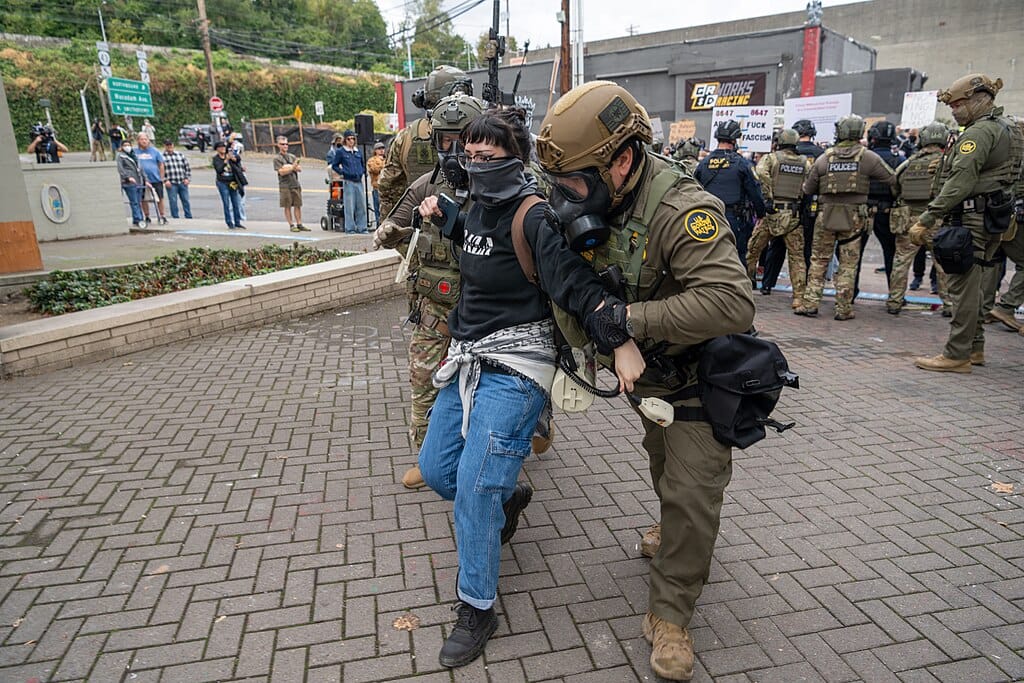
For those paying attention to social media chatter, you’ve heard Black voices on social media conveying the need for us to stay outta these streets.
Do you remember when the death of Michael Brown turned Ferguson, Missouri, into the starting point for Black Lives Matter protests?
The murder of George Floyd in Minneapolis about six years later at the hands of police officer Derek Chauvin became the moment of reckoning for a consistent span of protesting police killings across America.
Today, whether subconsciously or consciously, Black activists and more broadly, Black Americans know Trump’s authoritarian regime is itching for the chance to spill our blood freely in the streets.
Don’t be fooled by the black voices across social platforms saying, “Welcome to our world!”
It's real truth but once they finish sending that post, they know this time isn’t the same.
We are likely to see attacks against Black Americans unlike anything since the days of Jim Crow, and truthfully, given how utterly unpredictable President Trump has always been, it’s impossible to pin down what those attacks will look like.
The Conviction of Derek Chauvin: Turned Into A Finish Line
Floyd’s murder placed us at the center of an uncomfortable national debate. A racial reckoning, which on the surface seemed to trigger a universal belief that we can do better.
We must do better.
Politicians, seeing a rare opportunity to speak up on controversial issues such as the need for police reforms and more accountability for the violence caused by police officers, went public with calls for change.
Corporations across America pledged billions to social justice causes and efforts to close the racial wealth gap, which hasn’t changed since measuring the racial wealth gap started many decades ago.
The calls and pressure for change plateaued with the April 20, 2021, conviction of Derek Chauvin, the police officer responsible for the death of Floyd.
By 2023, Americans were more worried about the cost of living than about racial injustice.
The visibility surrounding this issue evaporated, and so did the once-prominent Black activists driving the Black Lives Matter movement. The reasons for the silencing of those activists are many and too much to cover in a sweeping manner.
As it became increasingly evident that former President Trump wouldn’t be stopped from running for office again, even if convicted of multiple crimes, the Democrats' speaking up for police reforms, removed the issue from their talking points.
Public sentiment shifted from reform to retrenchment.
The ICE Anomaly: Some Tragedies Don't Trigger Change
Does Good’s killing spark new demands for police accountability nationwide?
Of course, it should. However, it won’t.
In America, we love technicalities and what you’d call 'Black and White' thinking.
Since her death happened at the hands of an ICE agent, it will be viewed as an anomaly, one separate from the racial reckoning that Floyd’s murder was about.
It’s also legit to point out that the governor of Minnesota, Tim Walz, and almost every politician in the state didn’t want ICE coming in and was actively pushing back against them being there.
Good's killing should bring about what countless activists and Democratic voices have been demanding for some time now – ending the right of ICE agents to hide behind masks in our cities.
Obviously, we also need the standards for becoming an ICE agent to be rigorous, with background checks that mirror the scrutiny it takes to be an FBI agent.
While it would be appropriate and easy for me to join the calls for abolishing ICE, I'm aware of the political climate. The Republicans break into two camps:
- Full support for Trump's policies and radical (and often illegal) approaches.
- Lacks the courage to stand up and stop the madness.
Five years after Floyd's murder, the killing of Good, a 37-year-0ld mother of three signals broken institutions will need to crumble before they change. ■




Member discussion