
Tech Bros as America's New Elite

Gary Wolf, author of WIRED – A Romance, welcomes us back to the 1990s to tell the story of Louis Rossetto, the futurist founder of Wired.
Rossetto recognized far sooner than most the liberating and equally destabilizing power of computer publishing.
He noticed the talented loners embracing the cyberpunk culture and libertarianism, and singled these men (mostly white males) out as the next great emperors of America.
Rossetto believed these men were the archetypes for a new society destined to become the most powerful people on the planet. Men, once known as “nerds” such as Mark Zuckerberg and Elon Musk, are today’s ruling class.
Others like Sam Altman, Dario Amodei, and Alex Karp are positioning themselves and the companies they lead around artificial intelligence (AI) to take center stage.
We’re living in an age where “tech bros” run the world and AI only sets the stage for one, possibly more, to seize enough control to bring the era of nation-state politics to a full close. Truthfully, this would align with the reality Rossetto hoped to see in the late-1990s.
Wolf, a talented writer who spent years in the trenches at Wired, provides the insider account readers need.
He doesn’t label Rossetto as a futurist. That’s coming from me.
WIRED — A Romance was published in 2003, well before the rise of Amazon, the second coming of Apple, Google, Meta, and Tesla.
Surely, his views would be different had he penned and published this book in 2023; even his thoughts on Wired would be radically different.
Wired, now acting against the DNA instilled in it by Rossetto, has become one of the most reliable sources for great reporting tied to the political world dominating our current times.
Wolf viewed his former CEO as a great storyteller who knew his audience intimately. To paraphrase his words, Rossetto set an editorial tone that left readers feeling perplexed, fascinated, revolted, and mesmerized.
Traditional Media Was Ripe for Replacement
At least twenty years before founding Wired, Rossetto expressed his open disgust with traditional mass media and the American government during his days at Columbia University.
He ended up serving as president of the Columbia Young Republicans, even though his real political beliefs leaned toward libertarianism, which was only beginning to emerge as a new political philosophy in the late 1960s.
Rossetto spent a couple of years working on a novel after college. His first and only. Soon after, he traveled a bit before settling in Amsterdam. Over the next twenty years, even while living outside America, Rossetto’s passionate distaste for American politics deepened.
When he finally returns to America in the early 1990s with the seeds for Wired now percolating, he sees the landscape as wide open. Traditional media, to him, seemed downright archaic compared to computer publishing.
What remained appeared to be under state control. Propaganda on steroids to control and manipulate the masses.
Hearing that, you’d think Rossetto grew up as part of the Black community.
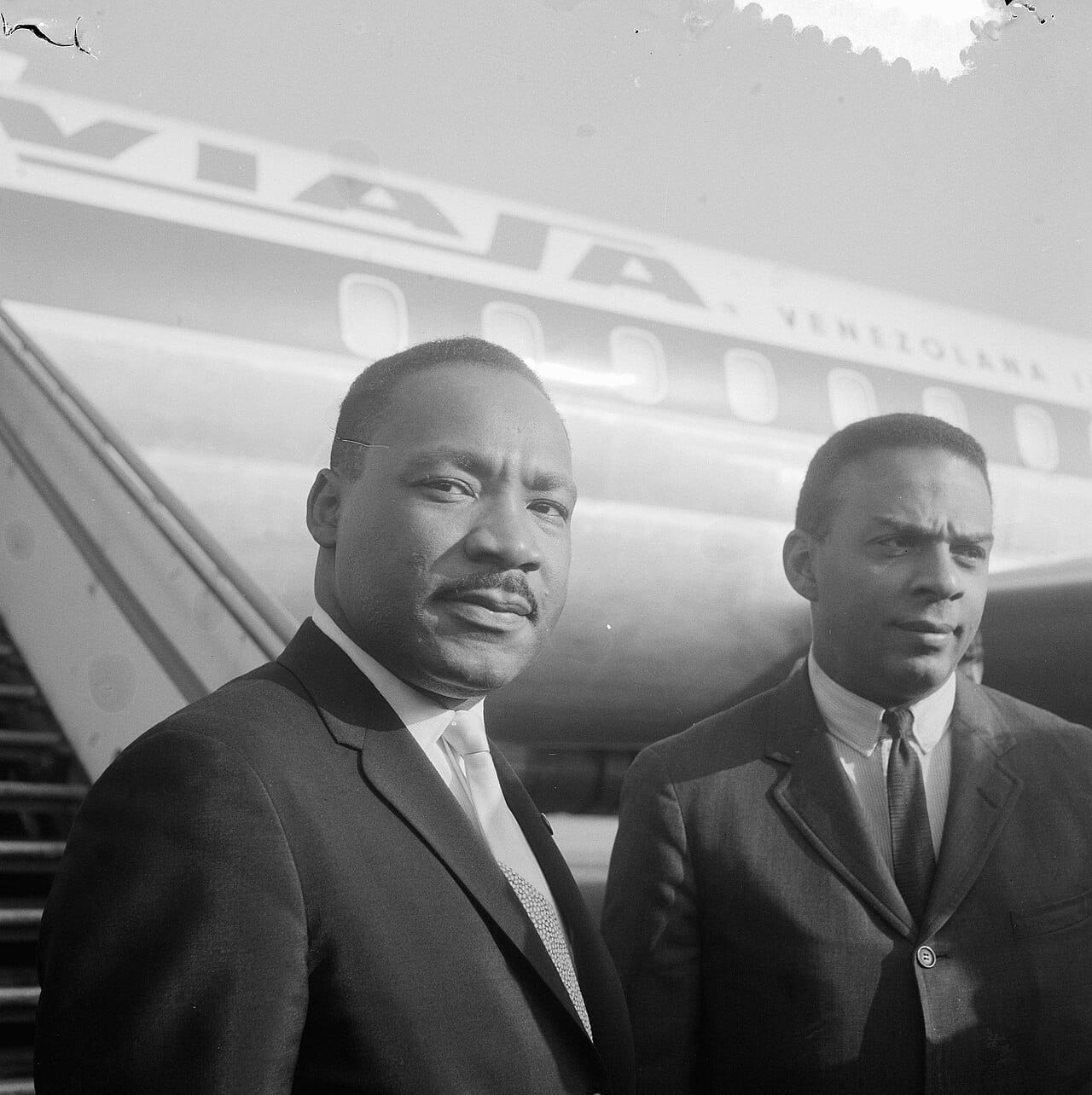
Listen to our music going back to the 1960s, look at our art, listen closely to the words of Malcolm X and Martin Luther King (not the approved soundbites), the writings of James Baldwin – we’ve been well aware of the propaganda traditional media have been serving up for the better part of a century.
The biggest surprise for me when reading the book was finding out that a good portion of white Americans feel the same way.
Tech Leaders Sink to the Lowest Common Denominators
Truly, credit Rossetto for the intuition he showed some thirty years ago for crowning “Tech bros” as the new kings. But his crystal ball clouded over when he ascribed higher motives and intentions to members of the cyberpunk computer culture and naively believed they wouldn’t sink to the lowest common denominator: fear, anxiety, and division.
The very elements he despised as prevailing in traditional mass media.
How exactly did we transition from a future built on stripping power from the media and government elite?
Wealth and power are seductive.
Instead of opening the cage for a full-scale jail break, the tech elite have seized enough information to build a better cage.
We have become captives on social platforms that heighten our insecurities, anxieties, fears, and exploit divisions at every turn.
Perhaps this turn represents another phase of technology breaking down the systems and institutions that have ruled America for the last 250 years.
While we cannot know what will come in its place, it is clear that destabilization has taken root. Institutions are crumbling. Democracy’s eroding. A one-party system inches closer, and authoritarianism under Trump seems possible.
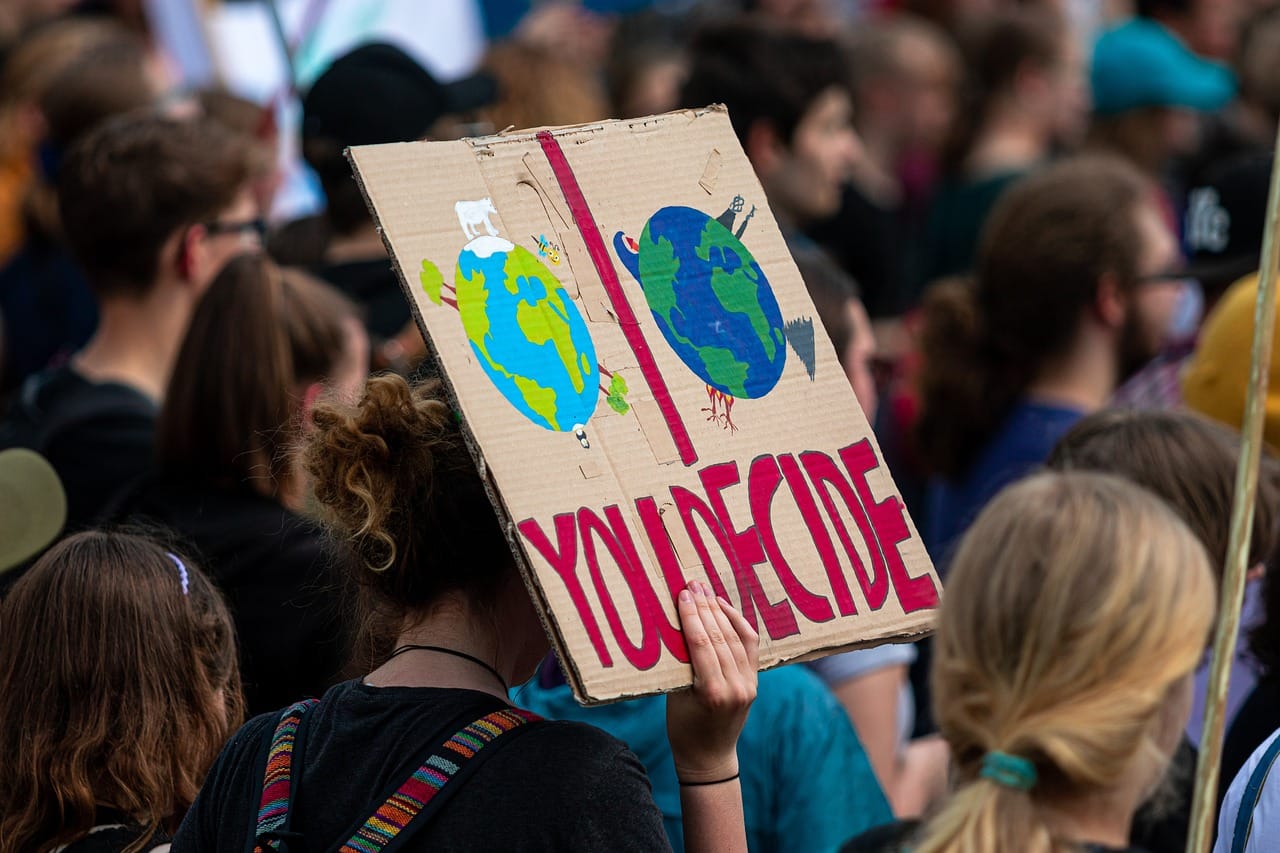
The Age of Radical Student Movements Is Over
In the 1960s and 1970s, major counterculture and societal revolutions first emerged, then erupted on college campuses. Led by courageous young students who were determined to manifest a new world and a new reality.
Those days are gone.
During my days in college, back in the early 1990s, the only changes we created with protest and collective action were halting tuition hikes.
Are the ambitions of young adults different from our ambitions back then?
I doubt it.
Over the last 40 years, federal and state authorities have gotten good, real good at stifling academic rebellion. They also obtain ample support from those academic institutions.
The arrival of social media platforms such as Facebook, X (formerly Twitter), and many others usurped the remaining power of student movements built on college campuses.
We’ve seen online power take shape in the real world. The Black Lives Matter movement transitioned from online to real life with the deaths of Trayvon Martin, Eric Garner, Breonna Taylor, and Michael Brown, to name a few.
However, since the sale of Twitter into the hands of Elon Musk in October 2022, the tech overlords have squashed the birthing of what they term “woke movements” while allowing other forms of free speech to thrive.
Regardless of their efforts, the next rise will come from the online world.
These new movements are likely to be firmly anchored in the lowest common denominators: fear, anxiety, and division.
Think Charlie Kirk. Think Nick Fuentes.
Many more like those two are flexing in the shadows on messaging apps, where you first need to swallow the red pill before going down the rabbit hole.
Amazingly, Rossetto never saw this coming.
In reading parts of his personal story with WIRED — A Romance, Rossetto wrapped the nerds, now “tech bros,” up in cloths of pure innocence. He expected them to merely democratize the world through technological tools without anticipating how much greed and power could corrupt.
Honestly, it’s those blind spots that led him to lose control of his empire in a series of business deals in the late-1990s. Despite numerous business mistakes, he walked away as a wealthy man.
Worth the Read
There’s value in reading about the building of a media, publishing, and online empire. Wired stands today as one of the great technology publications, and increasingly, it’s one of the best sources for understanding the intersection between technology and politics.
Today, media and publishing have reached a point where they are consolidated under a few large conglomerates, and the threat of biased news and propaganda is more real than ever.
For readers interested in creating and launching a new business venture in the media or publishing space, there’s plenty to learn from Rossetto. Especially when it comes to developing a deep, intimate understanding of your audience.
You could carry his approach with you, whether you’re thinking of print publications or looking to thrive with a YouTube channel. This is a read. ■



.jpg)
,_Bestanddeelnr_916-7705.jpg?ref=inkandaudible.com)
Member discussion